Thessaloniki, Greece’s second-largest city, has a rich history that spans over two millennia, making it one of the most historically significant cities in Europe. Its history is marked by its strategic location as a crossroads of civilizations, cultures, and trade routes, influencing the city’s development and character.
Founding and Ancient Period (315 BC – 4th century AD)
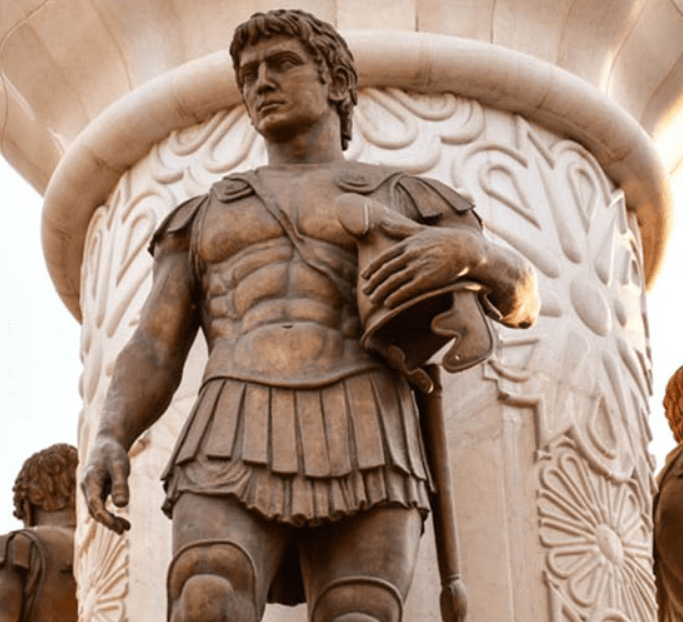
Thessaloniki was founded in 315 BC by Cassander, one of Alexander the Great’s generals. He named the city after his wife Thessalonike, the sister of Alexander and daughter of King Philip II of Macedon. The city quickly grew due to its strategic location on the Via Egnatia, the Roman road that connected the Adriatic Sea with Byzantium (modern-day Istanbul).
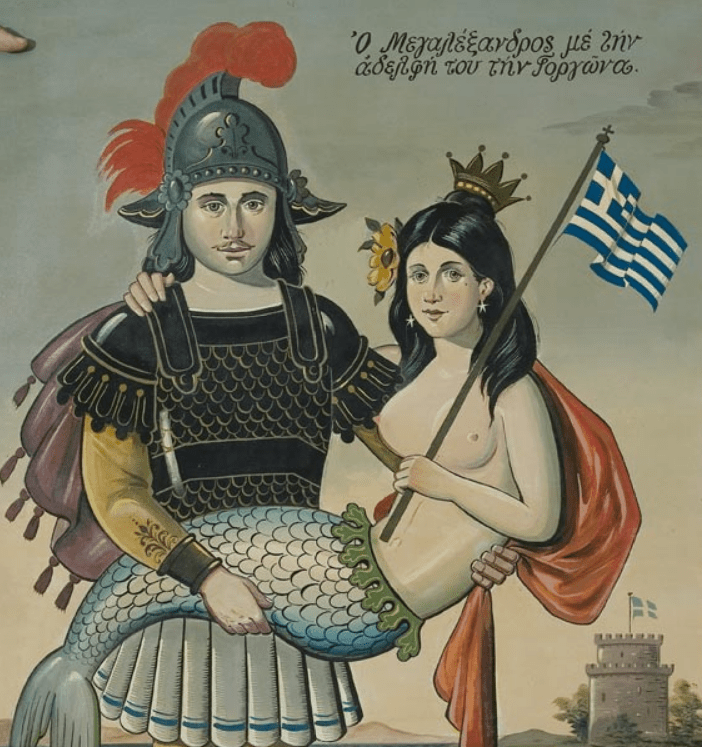
During the Hellenistic period, Thessaloniki became a major urban center in the Kingdom of Macedon. The city was incorporated into the Roman Empire in 146 BC, and it flourished as a significant trade hub and administrative center. The Apostle Paul visited Thessaloniki in the 1st century AD, establishing an early Christian community there, which is mentioned in the New Testament.
Byzantine Era (4th – 15th century)
With the division of the Roman Empire in 395 AD, Thessaloniki became a crucial city in the Byzantine Empire. It was the empire’s second-most important city after Constantinople. The city was heavily fortified and was a center of trade, culture, and religion.
Thessaloniki faced numerous invasions and sieges during the Byzantine period, including attacks by Goths, Slavs, and Saracens. Despite these challenges, the city remained a vibrant cultural and religious center, producing notable figures such as Saint Demetrius, the city’s patron saint.
In the 9th century, the city became a key center for the spread of Christianity to the Slavic peoples. The brothers Cyril and Methodius, who were born in Thessaloniki, played a crucial role in this mission, creating the Glagolitic alphabet, the precursor to the Cyrillic script.
Ottoman Rule (1430 – 1912)
In 1430, Thessaloniki fell to the Ottoman Empire after a prolonged siege. Under Ottoman rule, the city maintained its importance as a trade center and became a melting pot of different cultures and religions, including Greek Orthodox Christians, Muslims, and Jews. The Jewish community, in particular, flourished, especially after the influx of Sephardic Jews expelled from Spain in 1492, making Thessaloniki one of the largest Jewish centers in the world.
Modern Era (19th century – Present)
In the 19th century, Thessaloniki played a significant role in the Greek War of Independence, although it remained under Ottoman control until 1912, when it was liberated during the Balkan Wars and became part of the modern Greek state.
During the 20th century, Thessaloniki experienced significant events, including the Great Fire of 1917, which destroyed much of the city and led to a major urban redesign. The city was also affected by the population exchanges between Greece and Turkey in the 1920s, which significantly altered its demographic makeup.
During World War II, Thessaloniki was occupied by Nazi Germany, and its Jewish community suffered devastating losses in the Holocaust, with over 90% of the community being deported and murdered in concentration camps.
After the war, Thessaloniki underwent significant reconstruction and growth. Today, it is a vibrant city known for its rich cultural heritage, including its Byzantine monuments, Ottoman architecture, and a lively cultural scene. Thessaloniki is also an important economic hub in Greece and the wider Balkan region.
The city’s long and diverse history is reflected in its architecture, cultural institutions, and the diverse communities that have called it home over the centuries.
 Thessaloniki Apartments
Leave a comment